Outer Packaging Requirements
Outer Packaging Requirements
Use strong, rigid corrugated cardboard boxes suitable for the weight and nature of the contents:
-
Packaging must be new, undamaged, clean, and structurally sound.
-
Boxes must be appropriate for the size and weight of the contents.
-
Avoid reusing old or weakened boxes.
-
Do not overload boxes. Heavy shipments should be split into multiple parcels.
-
The box must fully enclose the contents with no protruding parts.
-
Avoid strings, handles, or loose edges that could get caught during handling.
-
The box size must fit the contents. Small items should not be packed in oversized boxes.
Internal Protection
All contents must be properly protected inside the box to prevent movement or
impact damage:
-
Each item must be wrapped individually, especially fragile goods.
-
Use protective materials such as:
-
Bubble wrap; Foam padding; Air cushions; Polystyrene inserts
-
-
Fill all empty spaces to prevent movement during transit.
-
Heavier items should be placed at the bottom of the parcel.
-
Lighter or fragile items should be placed on top with additional cushioning.
-
Packaging must be sufficient to withstand normal handling and minor impacts
during transport.
Internal Protection
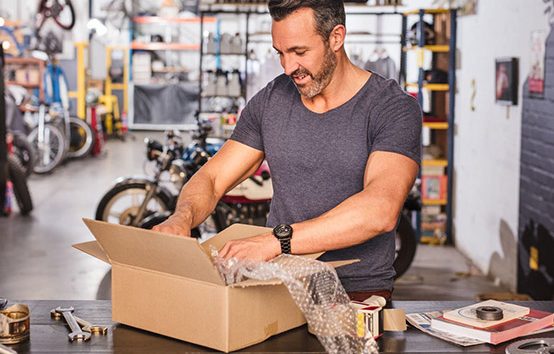
All contents must be properly protected inside the box to prevent movement or
impact damage:
-
Each item must be wrapped individually, especially fragile goods.
-
Use protective materials such as:
-
Bubble wrap; Foam padding; Air cushions; Polystyrene inserts
-
-
Fill all empty spaces to prevent movement during transit.
-
Heavier items should be placed at the bottom of the parcel.
-
Lighter or fragile items should be placed on top with additional cushioning.
-
Packaging must be sufficient to withstand normal handling and minor impacts
during transport.
Parcel Sealing
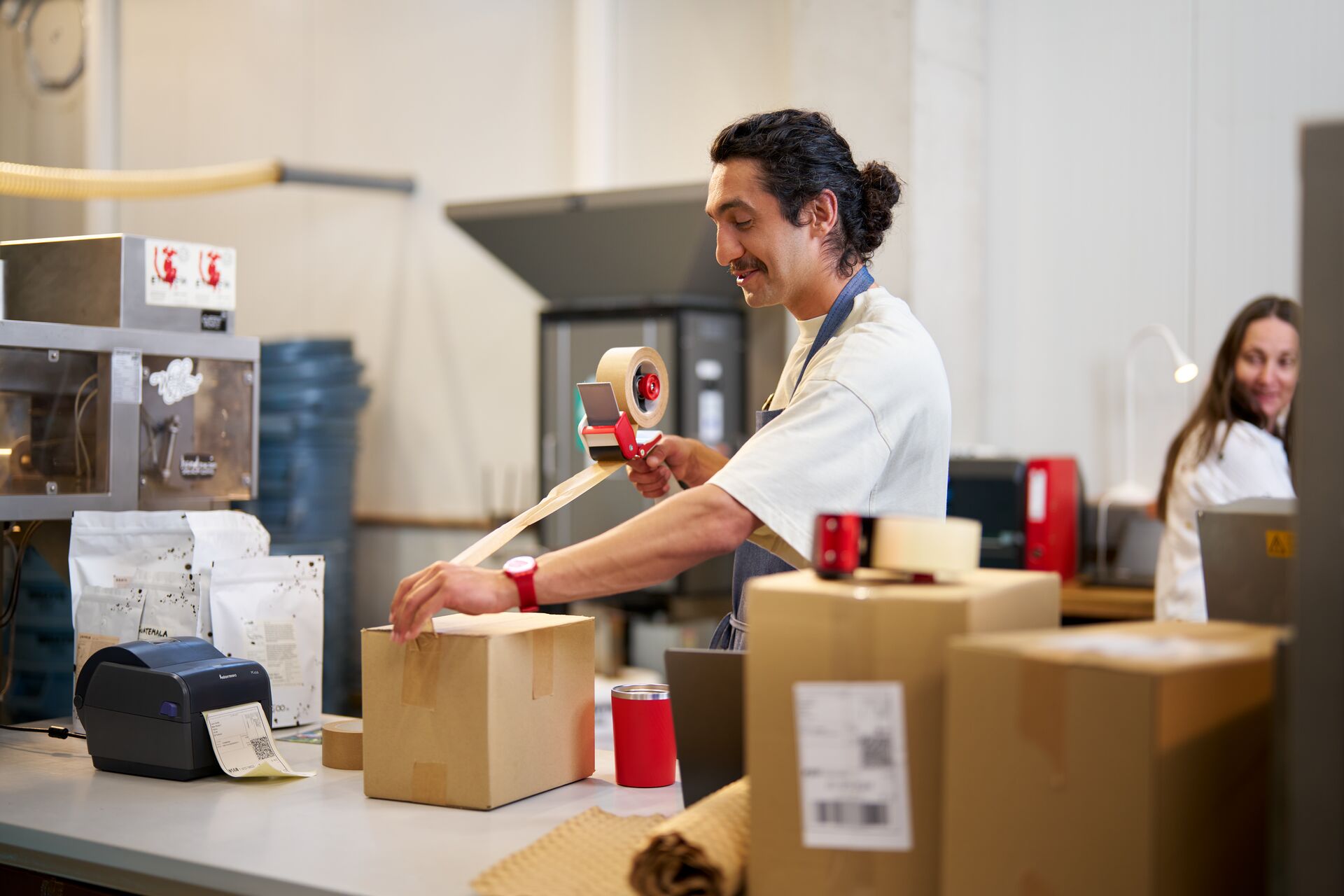
Parcel Sealing
All parcels must be sealed securely.
-
Use high-quality packing tape.
-
Seal the parcel using the H-taping method:
-
One strip along the main seam.
-
Two strips across the edges.
-
-
Ensure all flaps and openings are completely sealed.
Fragile, Valuable, or Special Items
Additional precautions must be taken when shipping fragile or high-value items.
-
Fragile goods must not be packed in bags or soft packaging.
-
Use extra internal cushioning to prevent movement or breakage.
-
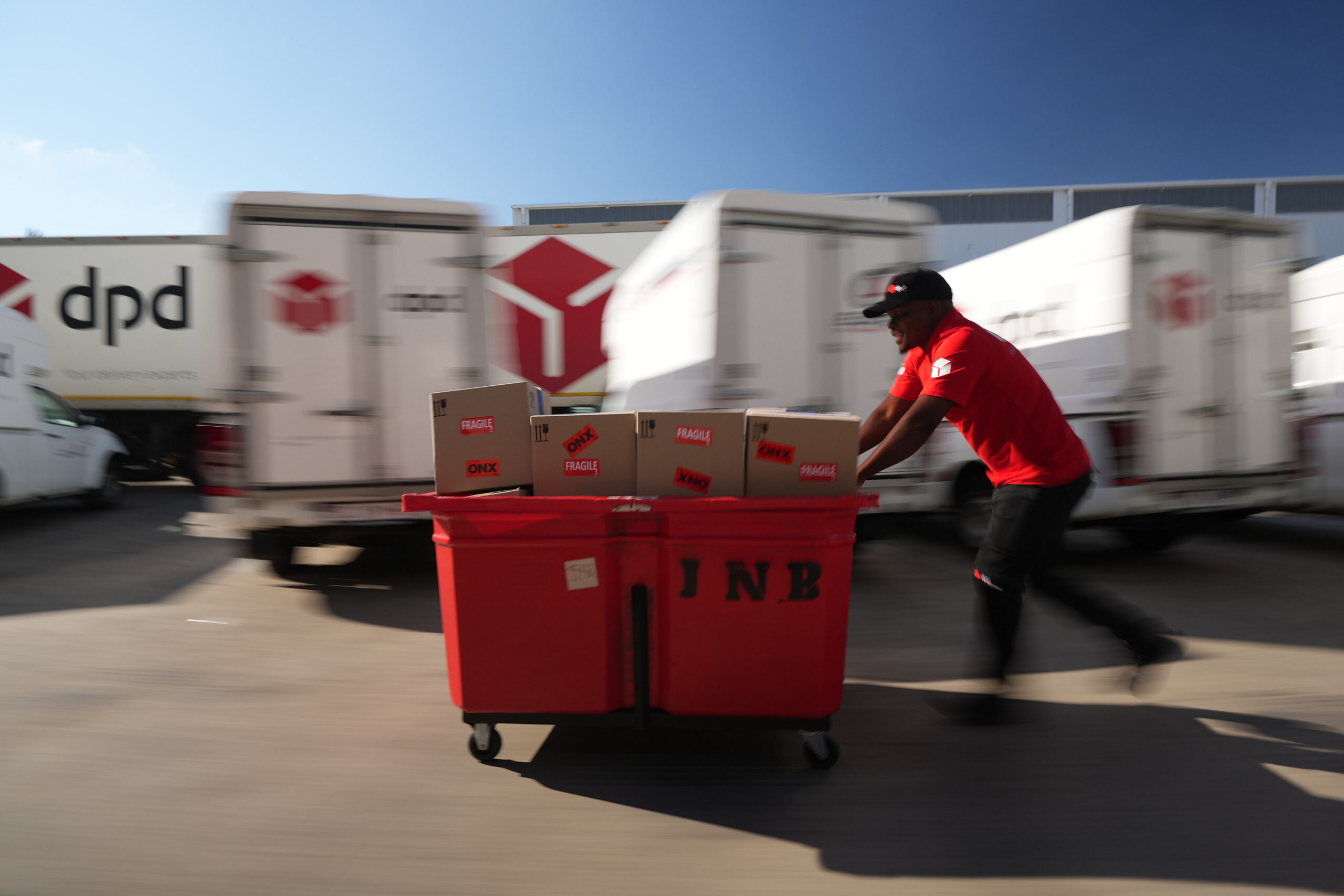
Clearly mark the parcel “FRAGILE” where appropriate (however, labels alone do not guarantee special handling).
-
Electronics and valuable items should ideally be shipped in:
-
Original manufacturer packaging, or
-
Purpose-built protective packaging.
-
-
Odd-shaped or unusually heavy items may require custom packaging or crating.
Fragile, Valuable, or Special Items
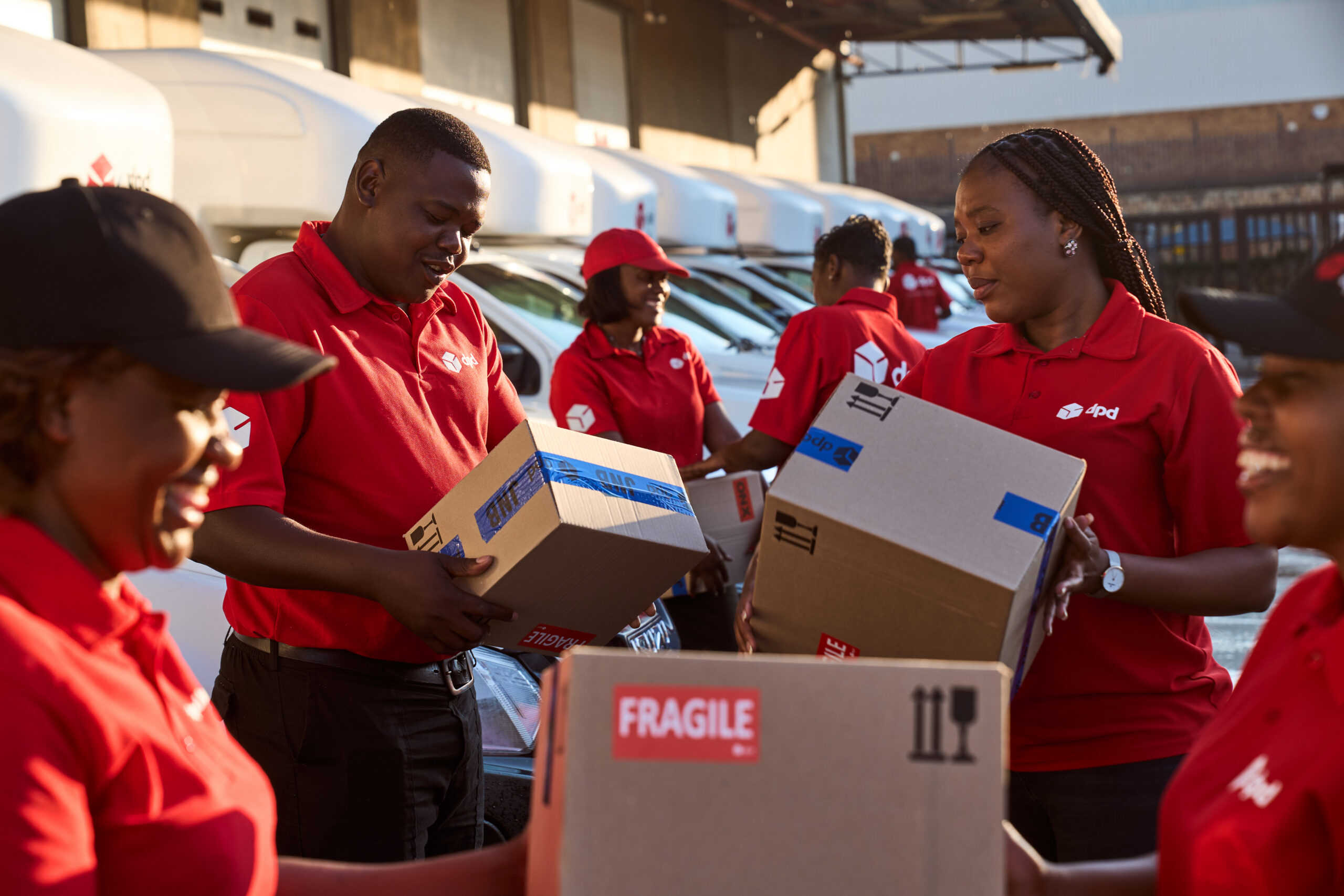
Additional precautions must be taken when shipping fragile or high-value items.
-
Fragile goods must not be packed in bags or soft packaging.
-
Use extra internal cushioning to prevent movement or breakage.
-
Clearly mark the parcel “FRAGILE” where appropriate (however, labels alone do not guarantee special handling).
-
Electronics and valuable items should ideally be shipped in:
-
Original manufacturer packaging, or
-
Purpose-built protective packaging.
-
-
Odd-shaped or unusually heavy items may require custom packaging or crating.
Wine and Liquid Shipments

Wine and Liquid Shipments
Liquids and wine require special packaging and labelling to prevent leakage or
breakage.
Packaging Requirements
-
Each bottle must be individually protected using molded inserts, foam separators,
or bottle sleeves. -
Bottles must not touch each other directly.
-
Use purpose-built wine cartons or liquid-certified packaging where possible.
-
Bottles must be placed upright where possible.
-
All empty spaces inside the box must be filled to prevent movement.
Labelling Requirements
The following labels should be clearly visible on the parcel:
-
FRAGILE; THIS WAY UP; LIQUID
Responsibility and Liability
All consignments must be packaged according to the abovementioned guidelines.
Failure to comply with the packaging requirements may result in:
-
Refusal of collection
-
Requests for repacking before transport
-
Delays in transit
-
Rejected claims of damaged parcels
The sender remains responsible for ensuring that the goods are adequately packaged and suitable for transport.
Responsibility and Liability
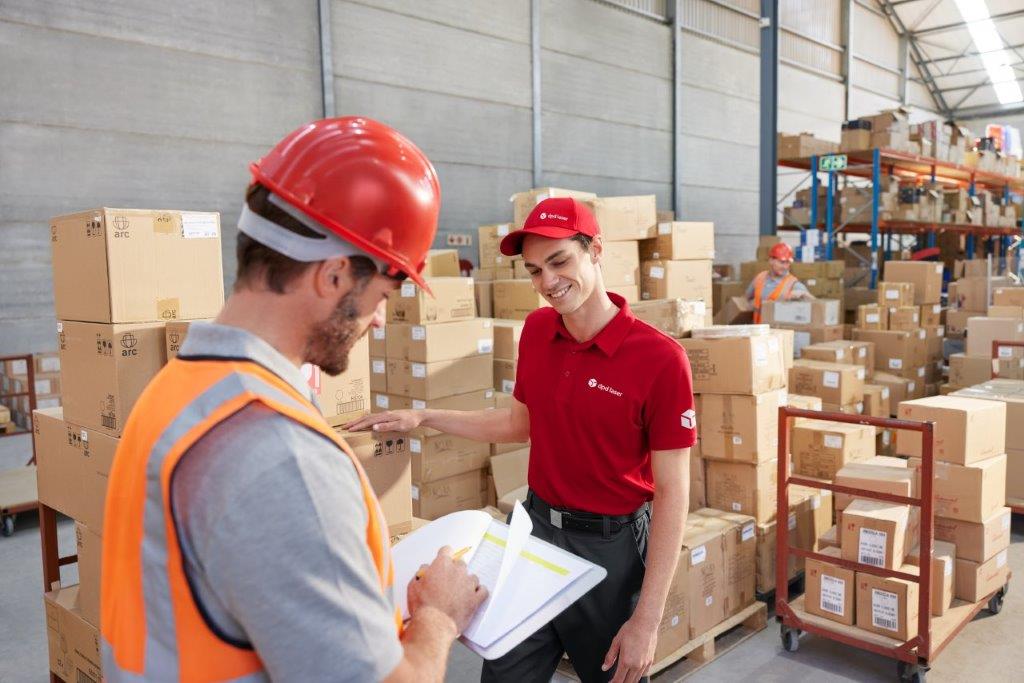
All consignments must be packaged according to the abovementioned guidelines.
Failure to comply with the packaging requirements may result in:
-
Refusal of collection
-
Requests for repacking before transport
-
Delays in transit
-
Rejected claims of damaged parcels
The sender remains responsible for ensuring that the goods are adequately packaged and suitable for transport.
Prohibited and High-Risk Items
Prohibited and High-Risk Items
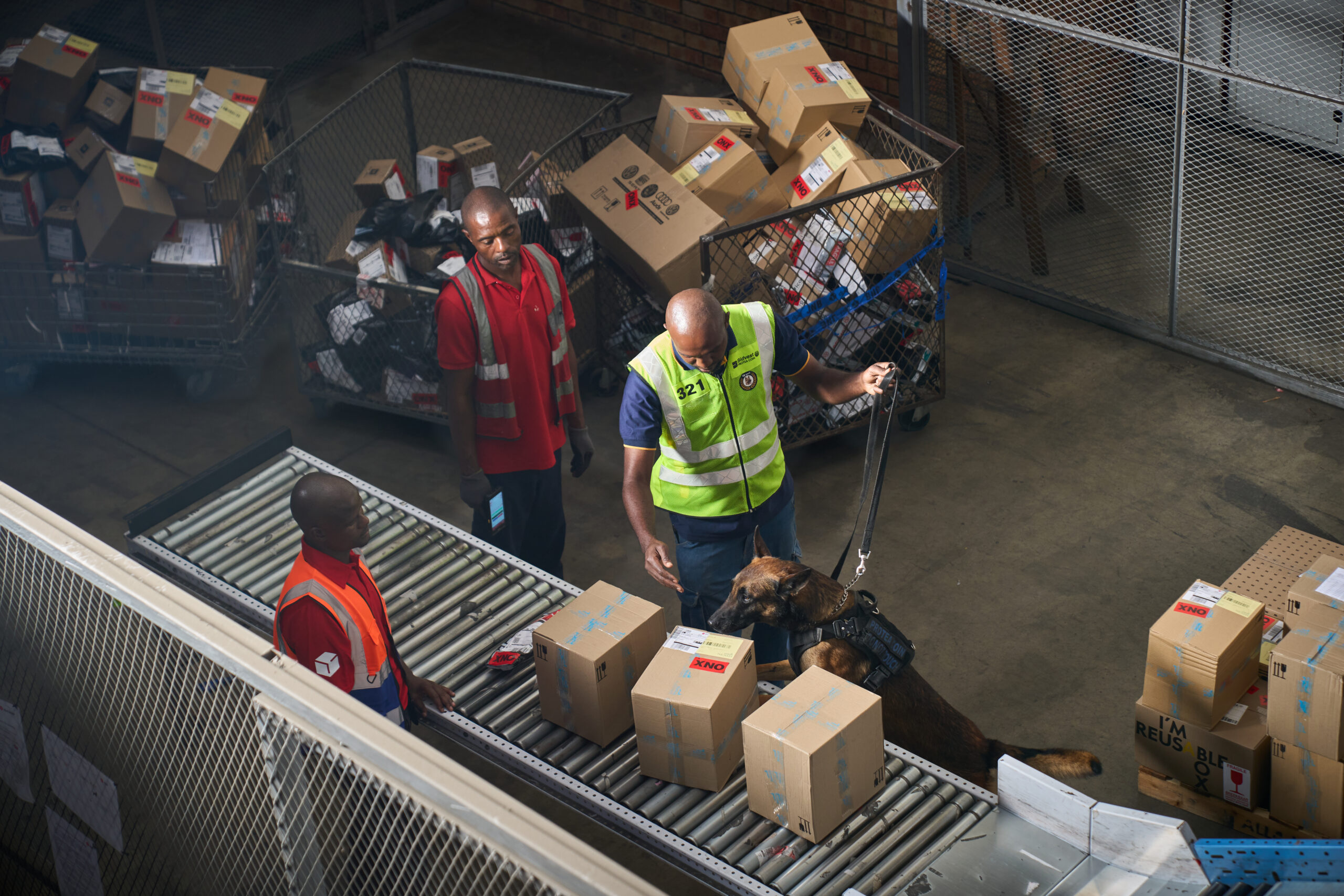
Certain items may not be accepted for transport. Do not ship hazardous, dangerous, or restricted goods. Perishable goods may only be shipped if prior approval has been
obtained from DPD.
Items that are improperly packaged or considered high-risk may be refused at
collection or removed from the network.
Volumetric weight
The volumetric weight is a calculation that determines the amount of space a parcel occupies in the aircraft or vehicle. As space is often a limiting factor, we calculate our charges on the greater of volumetric weight or actual weight.
The volumetric weight is calculated as follows:
Length (cm) x width (cm) x height (cm) / 5000
Volumetric weight
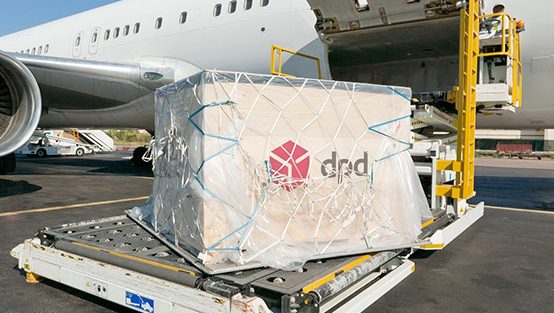
The volumetric weight is a calculation that determines the amount of space a parcel occupies in the aircraft or vehicle. As space is often a limiting factor, we calculate our charges on the greater of volumetric weight or actual weight.
The volumetric weight is calculated as follows:
Length (cm) x width (cm) x height (cm) / 5000
